

When important questions need answers, experience matters.
G.G. Polygraph & Interview Services provides professional, confidential polygraph and interview services for individuals, families, employers, attorneys, agencies, and other clients seeking objective information to assist with important decisions.
Professional polygraph and interview services built on experience, integrity, confidentiality, and objective examination.




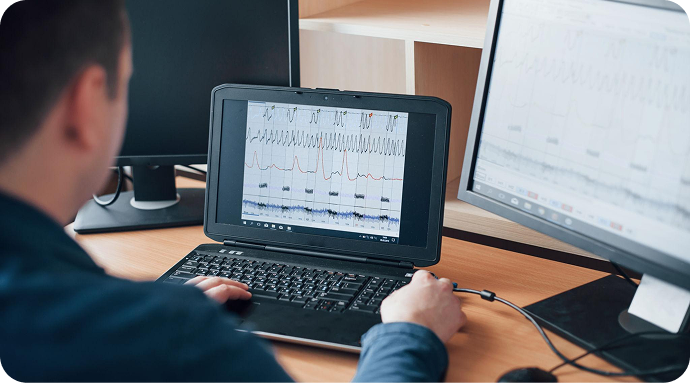
G.G. Polygraph Interview Services is a professional polygraph and interview service built on experience,integrity, confidentiality, and a commitment to serving clients with professionalism and respect.
The company serves clients with a wide range of needs, and our Examiners understand that requesting a polygraph can involve sensitive information and/or highly personal circumstances. Every client deserves and will get professional, discreet treatment.


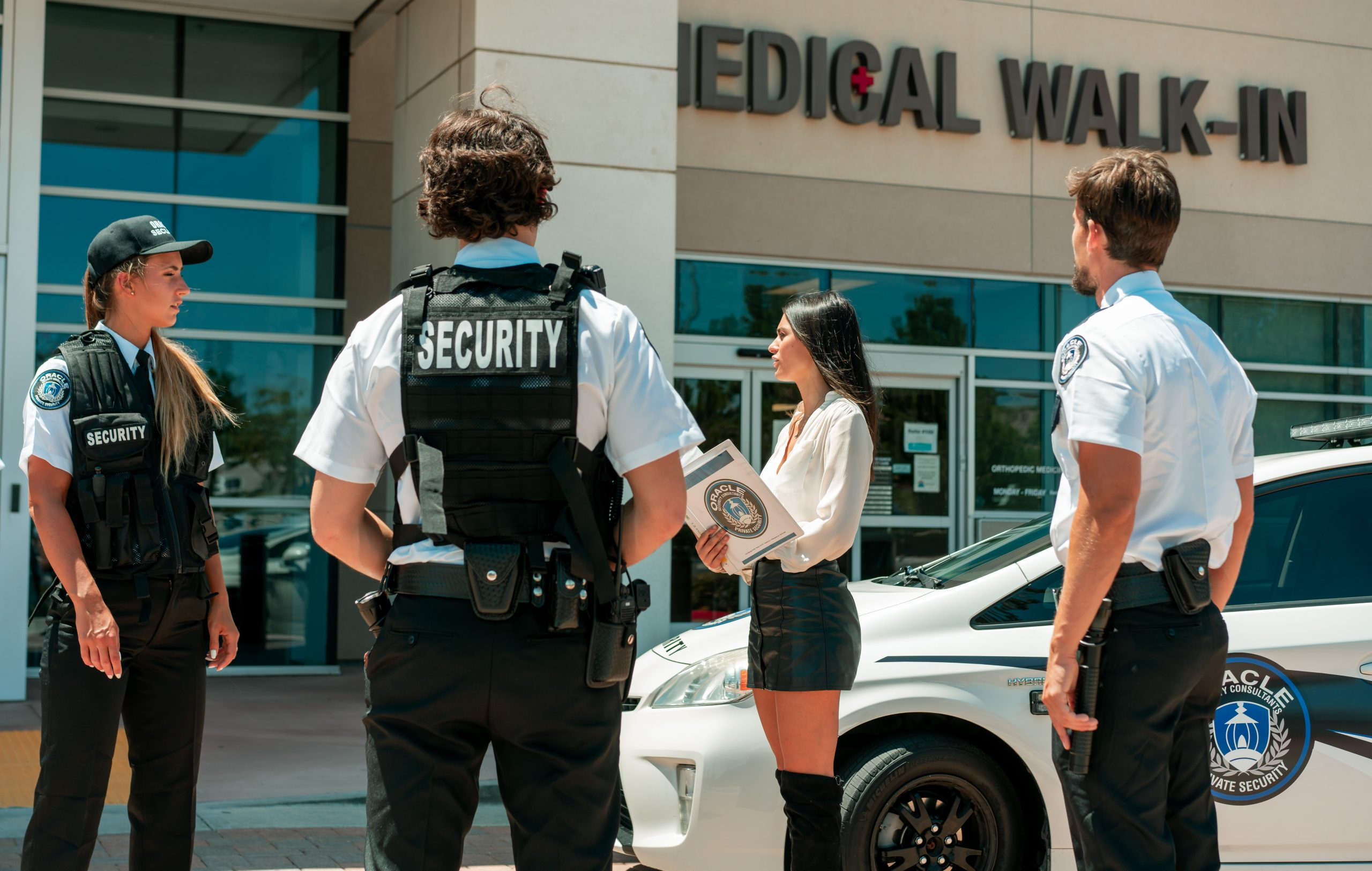



G.G. Polygraphs & Interview Services LLC provides professional and confidential polygraph testing throughout the Pittsburgh and surrounding Pennsylvania area.
01
Initial consultation/determination
of the purpose of the examination.
02
Pre-test interview
and review of the relevant issue.
03
Development and review
of appropriate questions.
04
Polygraph examination
using professional equipment.
05
Post-test review
and professional evaluation.
06
Preparation
of the appropriate report or documentation.
Professionalism, People can trust when it really matters.

Individuals
Individuals seeking confidential personal examinations.

Families / Couples
Families/couples where an examination is appropriate.

Employers & Organizations
Employers and organizations, where legally permitted.

Attorneys & Legal Professionals
Attorneys and legal professionals.

Government, Public Safety (Police, Fire and Paramedics) Pre-Employment
Employment-Related Testing: Public Safety Departments / Private Police / College / Hospital Police Employment – Other Related Employment Testing.

Government Agencies
Government agencies and contractors, subject to contract and disclosure restrictions.
Private Therapists
Private therapists / professional providers where the service is appropriate and approved.
P.C.S.O.T
Clients seeking P.C.S.O.T. examinations, where applicable.
If you are considering a polygraph examination and would like to discuss your situation, contact G.G. Polygraph & Interview Services; call our 24/7 live-person answering phone. A representative will contact you within approximately 48 hours. Or you can submit your information through the website, and a representative will follow up within approximately 48 hours
Polygraph examinations involve highly sensitive personal information. G.G. Polygraphs takes confidentiality seriously and handles client information with the discretion these examinations require.
For government, attorney, post-conviction or other specialized testing, pricing may vary based on the type of examination. Speak with a member.
Can You Cheat a Polygraph?
Understanding Common Myths. It would not be advisable, given the extensive training our examiners consistently maintain here at G.G. Polygraph and Interview Services. However, it is true that all man-made things can be defeated. The biggest challenge in beating a polygraph is the significant risk of detection, which, in this era of sophisticated software and recording equipment, makes success far from certain. Indeed, trying to affect the results can make things worse. Recent scientific research offers little hope to people who rely on websites and books about how to beat the polygraph, and some evidence suggests that using these methods reduces truth-telling examinees' chances of passing the test. For these reasons, we discourage examinees from trying to affect their test results. You do not fail a polygraph just by being nervous, moving, or breathing once. Most people fail a polygraph because they are lying or not following the polygraph examiner's instructions.
What Should I Look for in a Polygraph Examiner?
Is the polygraph examiner a member in good standing with the A.P.A. and/or N.P.A.? Not all polygraph examiners are APA members, and it is important to know the difference. To qualify as an APA member, you must complete an accredited polygraph education program that meets rigorous APA requirements. APA members must also maintain their continuing education hours. Those who want to practice certain specialties have additional requirements. All APA members must follow the APA Bylaws, Standards of Practice, and Code of Ethics, and use only evidence-based, valid polygraph procedures. Members also benefit from APA’s peer-reviewed publication, which keeps them apprised of the latest developments in techniques, technologies, and best practices. The APA sponsors educational seminars and online professional development not available elsewhere, ensuring members have access to the best information for conducting valid and reliable polygraph examinations. The APA is the world's largest professional polygraph association. It attracts examiners committed to delivering the best possible polygraph services. Do they also have experience conducting the type of polygraph testing you require? Information can be confirmed on the American Polygraph Association’s website at https://www.polygraph.org/contact_us.php.
When Might Someone Consider a Polygraph Examination?
When you need confirmation or answers in these areas, the polygraph can be used for: • pre-employment screening (where permitted) • post-conviction sex offender testing • criminal or forensic cases • family and fidelity matters • estate disputes • civil litigation • immigration • compliance with parole, probation, or license conditions
How Does a Polygraph Examination Work?
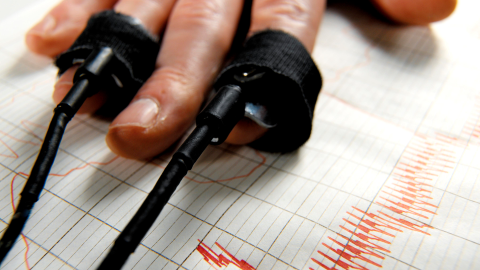
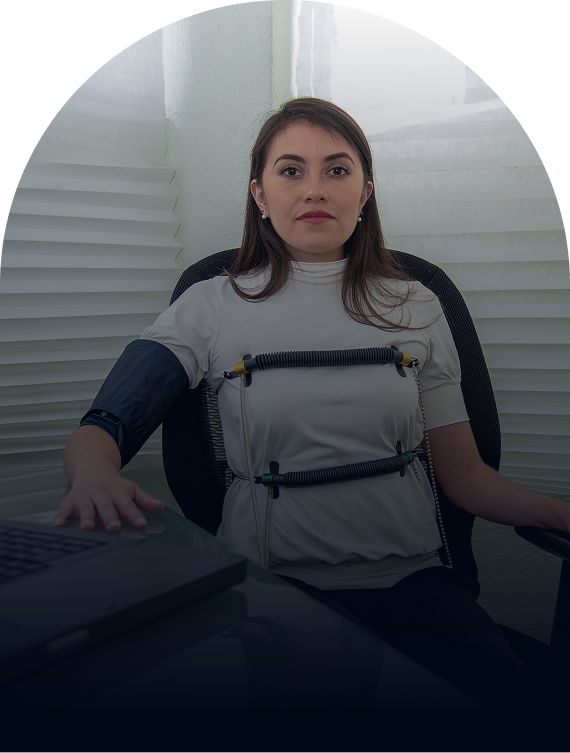
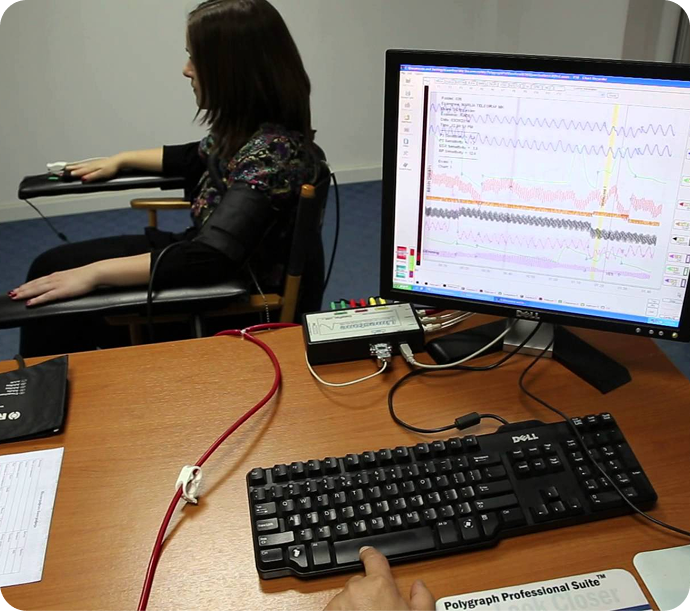
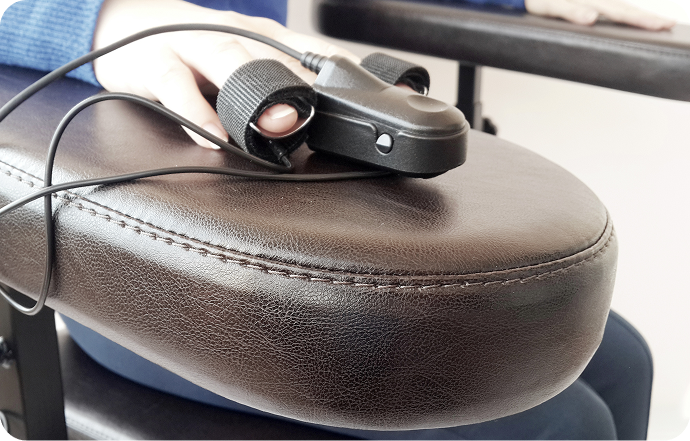
Polygraph instruments are designed to detect lies and confirm truth by measuring physical changes thought to be associated with lying, such as changes in heart rate, blood pressure, respiration, perspiration, and skin conductivity. During a polygraph test, an interviewer asks the client a series of questions intended to elicit truthful answers and lies. The instrument’s components consist of one Thoracic Pneumograph Tube and one Abdominal Pneumograph Tube, which record respiration; one Galvanograph, which records galvanic skin conductance; and one Cardiosphygmograph, which records relative blood pressure and pulse rate. The information (tracings) recorded by these components is analyzed by this Examiner.
Polygraph vs. Interview: Understanding the Difference.
How long does it take to get the results?
How many questions are on the test?
After the examination, the examiner evaluates the data and provides a diagnostic opinion. If the examiner participates in an independent quality review program, the examiner provides an interim verbal report at the end of the session and issues the final results after the review. Standard practice is to issue a written report to the person or organization specified in the consent form. The written report will document the final test results